
Your Blueprint for Dynamic Youth Bible Studies and Lasting Spiritual Growth
Why Youth Bible Studies Are the Foundation of Lasting Teen Faith
Youth Bible studies are structured, discussion-based lessons that help teenagers connect Scripture to their everyday lives — and they are one of the most powerful tools a church can offer young people today.
Here is a quick overview of what makes a great youth Bible study:
- Purpose-driven content — lessons anchored in Jesus Christ and real teen issues
- Engaging formats — video-based, topical, book-by-book, or inductive methods
- Age-appropriate materials — tailored for middle school vs. high school
- Discussion and application — open-ended questions, personal devotions, and group activities
- Consistent structure — a planned scope and sequence across weeks or months
Teens today face real pressure — from social media, identity questions, peer influence, and more. Without a strong biblical foundation, it is easy for young people to drift. Youth Bible studies give them an anchor: the truth of God’s Word, a community of believers, and a personal encounter with Jesus Christ.
This is not just about filling seats on a Wednesday night. It is about discipleship — shaping young hearts to walk in faith, purpose, and the power of the Holy Ghost.
I am Anthony LoCascio, pastor of The Life Church of Evanston and founder of Transformation Bible Institute, and I have spent years developing and leading youth Bible studies that combine sound Apostolic doctrine with practical, life-changing application. Everything in this guide flows from one conviction: when teenagers encounter the living Word of God, lives are transformed.
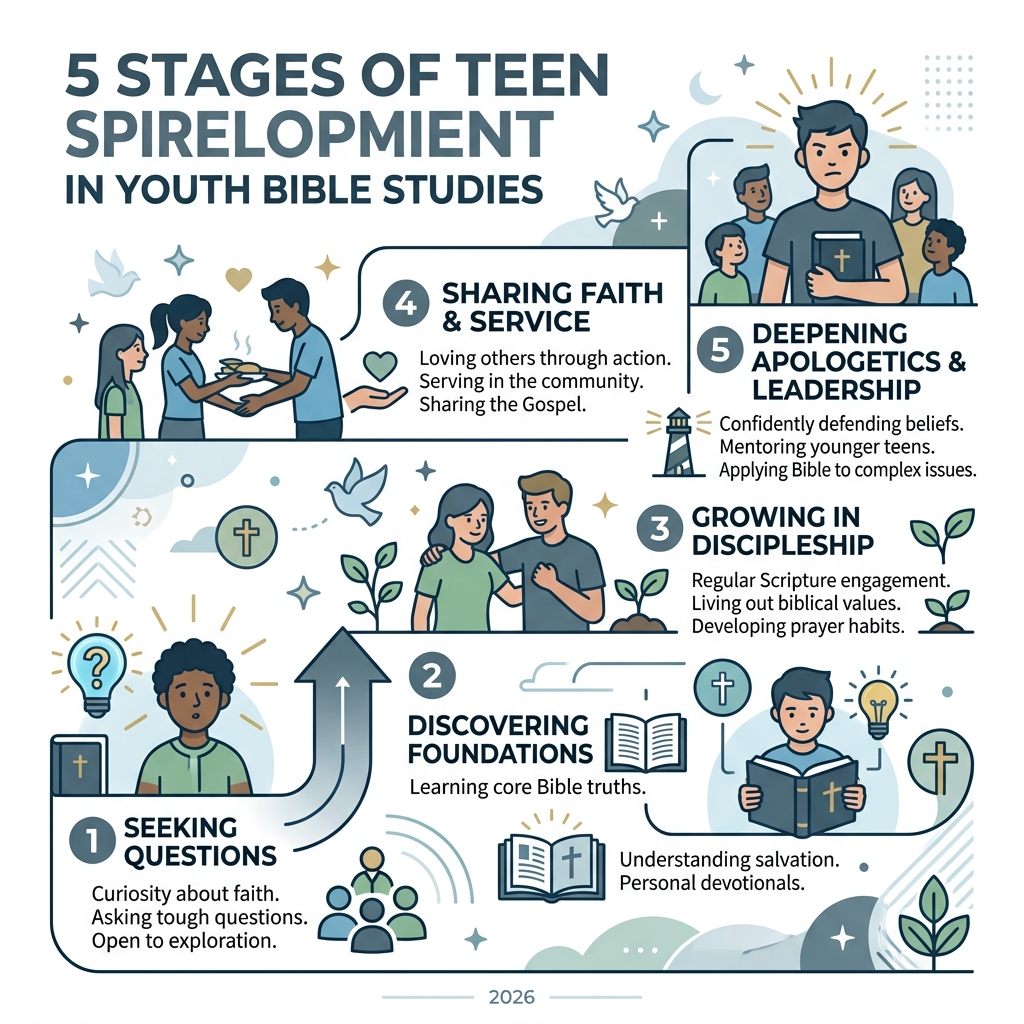
Essential Curriculum for Youth Bible studies

Choosing the right curriculum is like picking the right soil for a garden. If the soil is dry and lacks nutrients, the seeds won’t grow. In our experience at The Life Church of Evanston, the most effective Youth Bible studies utilize a blend of formats to keep students engaged and spiritually fed.
Video-Based and Topical Learning
Modern teenagers are visual learners. Incorporating video-based curriculum – such as the vast library found on platforms like RightNow Media, which offers thousands of biblical videos – can bridge the gap between ancient text and modern reality. Video series often feature trusted teachers who address mental health, dating, and identity from a biblical perspective.
Topical studies are equally vital. These focus on “mini-lessons” that address specific teen concerns like anger, purity, or social media usage. By providing a Teen Bible Study Ultimate Guide, we help leaders navigate these resources to ensure every session hits home.
Book-by-Book Exposition and Inductive Methods
While topical studies are great for immediate needs, book-by-book studies build long-term biblical literacy. We encourage the use of inductive methods – where students observe the text, interpret its meaning, and apply it personally. Methods like SOAP (Scripture, Observation, Application, Prayer) or APPLE (Attributes of God, Promises of God, Principles for living, Lessons learned, Examples to follow) empower teens to dig into the Word for themselves.
Apostolic Doctrine and Biblical Worldview
At the heart of every study must be a firm commitment to Apostolic doctrine. We teach our youth the foundational truth of the Acts 2:38 message: repentance, baptism in Jesus’ name, and the infilling of the Holy Ghost. This creates a solid biblical worldview, helping them discern truth from error in a world that is often opposed to God’s Word.
Planning Engaging Youth Bible studies
Planning a successful study requires more than just showing up with a Bible. It requires a strategic scope and sequence. Think about what you want your teens to know after one, three, or seven years in your ministry.
- Sensory Experiences: Don’t just talk about the “aroma of Christ”; bring in different scents like frankincense or myrrh to make the lesson stick.
- Communal Reading: Instead of one person reading a long passage, have the group perform it as a narrative or read it aloud together.
- Question-Based Teaching: Jesus often answered questions with more questions. Use open-ended prompts that drive students back to the text rather than giving “yes or no” answers.
- Jesus-Focused Outcomes: Every lesson, whether it’s about David or Daniel, should ultimately point back to the redemptive work of Jesus Christ.
Selecting Age-Appropriate Materials
A lesson that fascinates a 12-year-old might feel “childish” to an 18-year-old. It is crucial to tailor your Youth Bible studies to the specific developmental milestones of your group.
- Middle School: Focus on high energy, clear narratives, and foundational truths. They need to know what the Bible says.
- High School: Focus on apologetics, difficult questions, and personal ownership of faith. They need to know why they believe it.
Small group dynamics play a huge role here. Smaller groups allow for deeper vulnerability, while larger groups are great for high-impact video sessions. To see how we structure these age-specific groups, you can learn more about our student ministries. Always provide facilitator guides for your leaders and clear student handouts to help them follow along.
Popular Themes in Youth Bible studies
The themes we choose for our Youth Bible studies should reflect the intersection of eternal truth and daily struggle. When a teenager realizes the Bible has something to say about their Monday morning, their interest skyrockets.
Identity in Christ
In a world of “likes” and “follows,” teens often find their value in social media metrics. We must constantly point them back to their identity in Christ. Studies on the “New Man” or being “Chosen” help them see themselves through God’s eyes rather than the world’s mirror.
Biblical Leadership
We love teaching the story of David. Even as a young shepherd, God saw his heart (1 Samuel 16:1-13). We teach our youth that they don’t have to wait until they are adults to be leaders. Like Timothy, they can set an example in speech, conduct, love, faith, and purity (1 Timothy 4:12).
Addressing Real-Life Issues Biblically
Our studies don’t shy away from the hard stuff. We address:
- Mental Health: Finding peace in God’s presence during bouts of anxiety or stress.
- Peer Pressure: Using the story of the four friends in Mark 2 who “tore through the roof” to get their friend to Jesus as an example of bold, communal faith.
- Purity and Integrity: Living a life that honors God in a hyper-sexualized culture.
- Holy Ghost Empowerment: Teaching that the same power that raised Christ from the dead is available to them to overcome every obstacle.
Connecting Scripture to Modern Culture
We also look at the “big picture.” This includes:
- Prophecy Fulfillment: Showing how current world events correlate with Biblical prophecy, giving them confidence that God is in control.
- Redeeming the Screen: Discussing how to use technology and social media as tools for the Gospel rather than distractions from it.
- Cultural Faithfulness: Using the example of Daniel in Babylon to show how to remain faithful to God while living in a culture that doesn’t share your values.
For more resources on specific topics, you can explore Apostolic study guides or reach out to our ministry team to see how we engage our youth with the life-changing truth of the Gospel.
Effective Strategies for Participation and Application
Getting teens to talk can sometimes feel like pulling teeth, but it doesn’t have to be. The key is moving from passive listening to active engagement.
| Passive Listening | Active Engagement |
|---|---|
| Leader lectures for 30 minutes | Leader asks 5-7 open-ended questions |
| Students sit in rows | Students sit in a circle or small groups |
| “Any questions?” at the end | “How does this change your Monday?” throughout |
| Reading the text silently | Acting out the narrative or communal reading |
| No follow-up | Personal devotions and prayer requests |
Building a Culture of Discussion
To have a great discussion, you must create a safe environment. This means:
- Vulnerability: When leaders share their own struggles, it gives students permission to do the same.
- Active Listening: Validate their questions, even the “difficult” ones.
- Icebreakers: Never underestimate the power of a “Faith Obstacle Course” or a quick game to lower defenses before diving into the Word.
Encouraging Personal Devotional Habits
The goal of Youth Bible studies is to lead students to a place where they feed themselves. We encourage:
- Daily Scripture Reading: Using tools like the Learn Youth curriculum, which provides 40 weeks of coordinating personal devotions.
- Prayer Journals: Tracking how God answers their specific requests.
- The Family Altar: Encouraging parents to have a “mini-study” at home to reinforce what is learned at church.
You can explore our Bible study groups to see these strategies in action.
Leveraging Technology in Modern Discipleship
Technology isn’t the enemy; it’s a tool. In our modern Youth Bible studies, we embrace digital platforms to enhance discipleship.
Integrating Apps and Digital Tools
Many of our curriculum providers now offer apps that allow students to take notes, track prayer requests, and access session videos directly from their phones. This makes the Bible feel accessible and integrated into their daily lives.
- Streaming Platforms: Using RightNow Media or the Bible Engagement Project allows for high-quality video content that can be watched anywhere.
- Interactive Polls: Use apps to take real-time polls during a lesson to gauge where the students are on a specific topic.
- Social Media Devotionals: We encourage our youth to share “Biblical text messages” or short video testimonies on their social feeds to reach their peers.
In the Evanston and North Shore area, we are committed to utilizing these tech-forward methods to ensure our students stay connected to the Gospel. By leveraging modern connectivity, we offer various group structures that make discipleship accessible and engaging for every young person, helping them grow in their walk with Jesus Christ.
Frequently Asked Questions about Teen Discipleship
What are the best topics for unchurched youth?
Start with the “Big Questions”: Who is Jesus? Why is there suffering? What is my purpose? Use relatable stories like the Prodigal Son or the Paralyzed Man in Mark 2 to show God’s love and power without using too much “churchy” jargon.
How do I handle difficult questions about faith?
Be honest! If you don’t know the answer, say so, and offer to research it together. This builds trust and shows that faith is a journey. Always bring the focus back to the character of God and the truth of His Word.
How can I make the Bible feel relevant to Gen Z?
Connect the ancient text to modern problems. If you’re talking about Psalm 1 and being “planted by the water,” talk about how that helps them stay calm during finals week or when someone is mean to them on TikTok. Show them that God’s Word is a living, breathing blueprint for their life today.
Conclusion
At The Life Church of Evanston, we believe that Youth Bible studies are about more than just information; they are about transformation. In our multicultural, welcoming environment, we strive to make every teenager feel at home while challenging them to grow in the Apostolic faith.
Whether you are in Evanston or the North Shore, we invite you to join us as we seek the power of the Holy Ghost and the life-changing truth of Jesus Christ. From our deep-dive small groups to our Kidz4Life program for a safe and exciting environment, there is a place for your family here. Let’s grow together in the grace and knowledge of our Lord!