
Begin a Basic Bible Course With a Strong Scriptural Foundation
A basic Bible course gives new believers and growing families a clear path for learning Scripture and living it each day. Start with lessons that teach the Bible as the sole and final authority for faith and doctrine, then study the oneness of God, the identity of Jesus Christ, salvation, prayer, and daily obedience.
A Bible-based foundation should teach the apostolic message of Acts 2:38: repentance, baptism by full immersion in water in the name of Jesus Christ only for the remission of sins, and the infilling of the Holy Ghost evidenced by speaking in tongues. It should also plainly reject the idea of the Trinity and affirm the biblical truth that there is one God revealed in Jesus Christ.
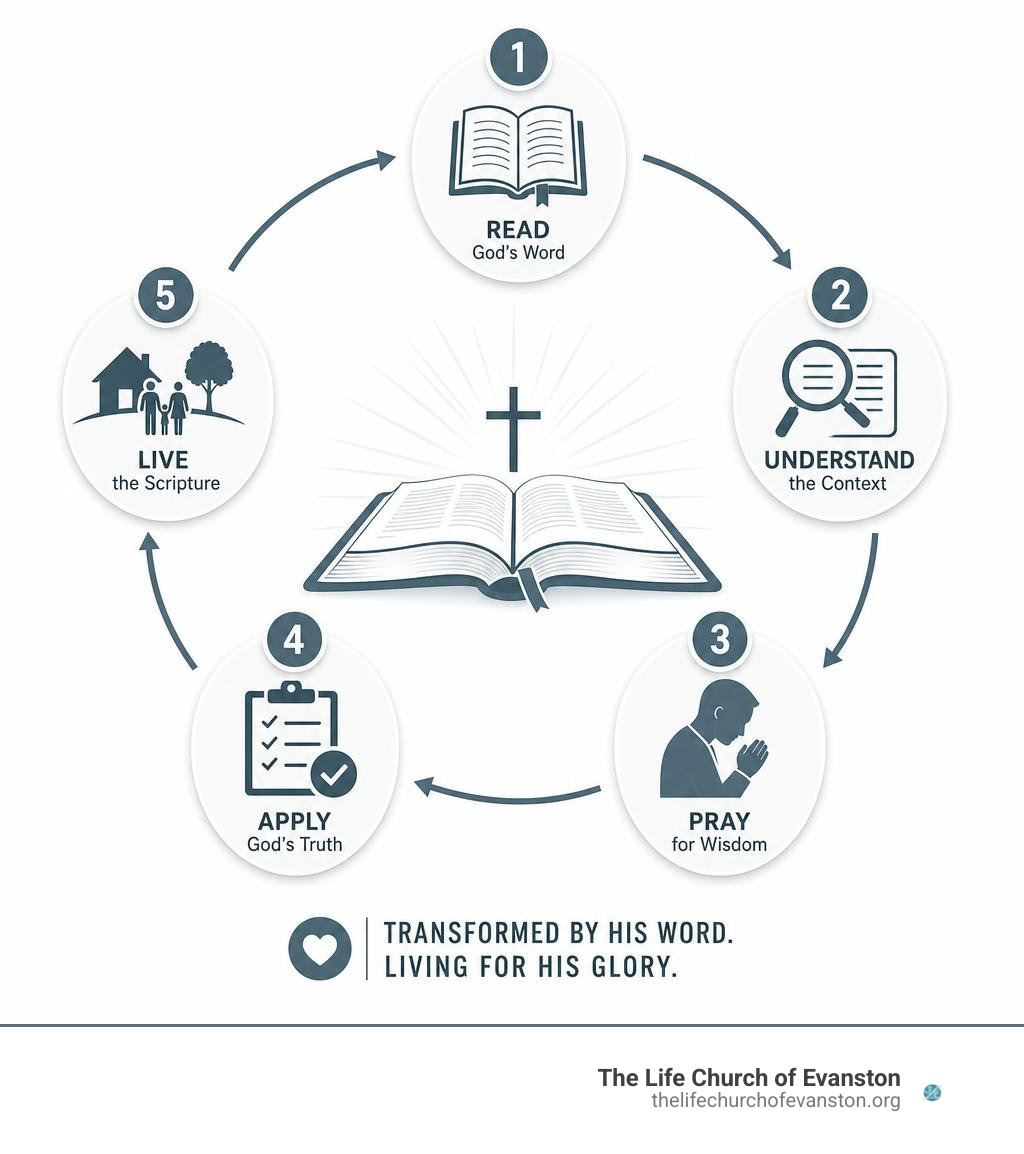
The goal is not only to gain information. It is to help you read each passage in context, pray with understanding, ask honest questions, and apply God’s Word at home, at work, and in church. Jesus Christ changes lives through His Word and His Spirit.
I am Anthony LoCascio, pastor, teacher, and founder of Transformation Bible Institute, with experience helping believers build a practical, Bible-centered foundation through a basic Bible course. Let us begin by looking at what a foundational Scripture curriculum should include.
Easy basic bible course glossary:
What Is a Foundational Scripture Curriculum?
A foundational Scripture curriculum is a structured program designed to ground believers in the divine inspiration and absolute authority of God’s Word. The Bible is not merely a collection of historical writings; it is the infallible Word of God and the sole and final authority on all matters of faith and doctrine. When someone comes to faith in Jesus Christ, having a systematic study plan helps transition initial faith into enduring spiritual growth.
The holy Scriptures contain 66 books composed over 1,500 years, yet they reveal one continuous, unified message of redemption centered entirely in Jesus Christ. For new converts, navigating this vast library can feel overwhelming without guidance. A structured curriculum breaks down the biblical narrative from the Old Testament covenants to their complete fulfillment in the New Testament.
Understanding whether a congregation aligns with genuine apostolic doctrine is essential for spiritual health. As you begin your journey, learning Is Your Church Bible Based? A Local Guide provides helpful benchmarks to verify that what you are learning comes directly from the pure text of Scripture.

Essential Topics Covered in a Basic Bible Course
A thorough basic Bible curriculum introduces the believer to the core doctrines of the faith. It provides an overview of biblical history, tracing God’s redemptive plan through the Law, the prophets, the Gospels, the birth of the early Church in Acts, and the Epistles.
Resources such as the Bible Basics Course: Genesis to Revelation Explained — Steps With Jesus demonstrate how traversing the entire span of Scripture builds confidence in the narrative of the Bible. By working through the historical context, major themes, and practical applications of each book, students discover how every page points directly to the saving power of Jesus Christ.
The Oneness of God and Biblical Salvation
The central pillar of biblical truth is Oneness theology. The Scriptures emphatically declare the absolute oneness of God: “Hear, O Israel: The LORD our God is one LORD” (Deuteronomy 6:4). The Bible knows no division of the Godhead into separate persons. We explicitly reject the concept of the Trinity, affirming instead that the fullness of the Godhead dwells bodily in Jesus Christ (Colossians 2:9). Jesus is the one true God manifested in the flesh—the Father in creation, the Son in redemption, and the Holy Ghost in regeneration.
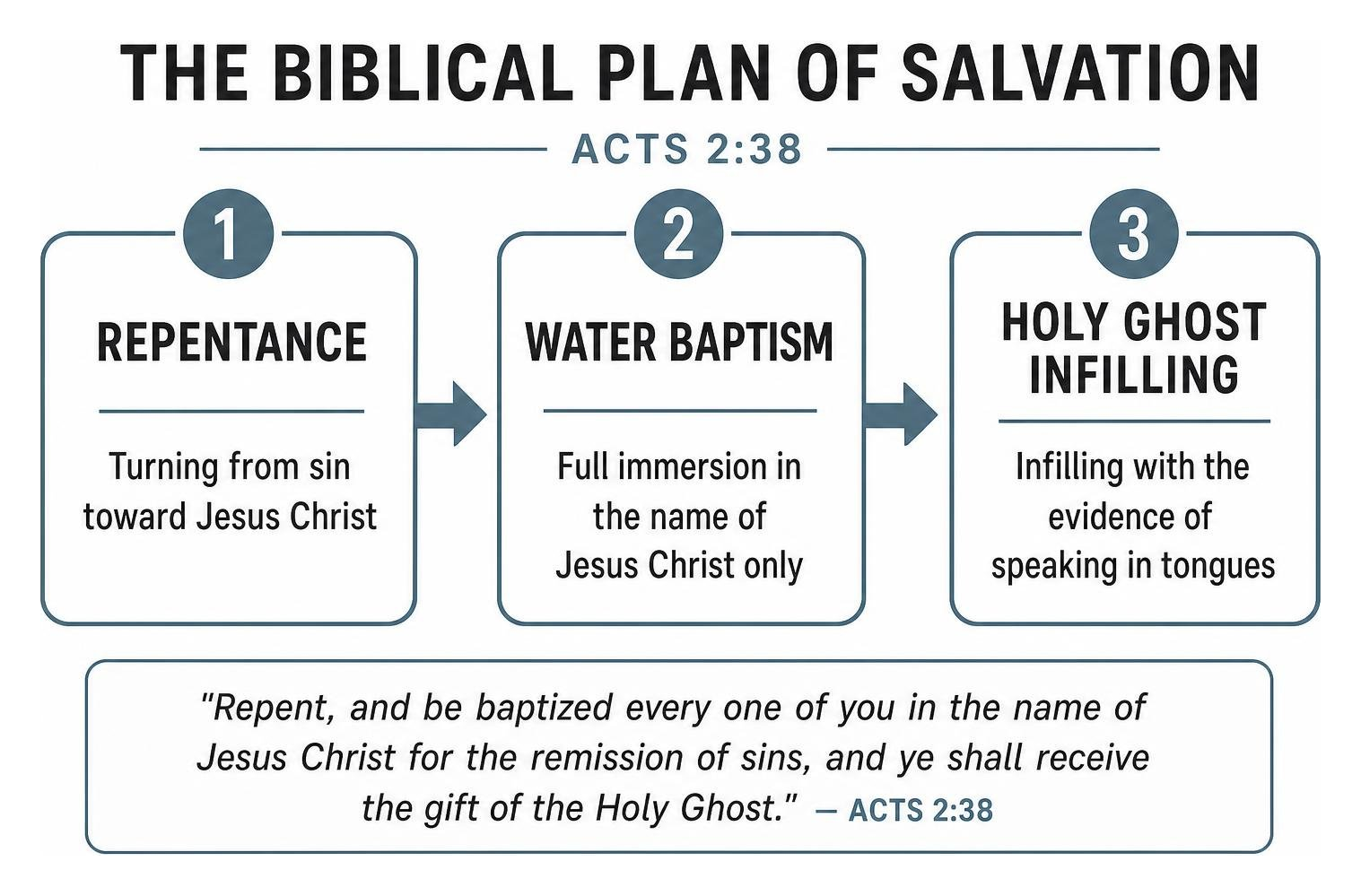
True biblical salvation is experienced through the exact blueprint established by the Apostles on the Day of Pentecost. When the convicted multitude asked what they must do, the Apostle Peter gave the definitive command:
“Repent, and be baptized every one of you in the name of Jesus Christ for the remission of sins, and ye shall receive the gift of the Holy Ghost.” — Acts 2:38
This salvation experience consists of three vital steps:
- Repentance: A heartfelt turning away from sin and surrender to God.
- Water Baptism: Complete immersion in water administered exclusively in the name of the Lord Jesus Christ for the remission of sins.
- The Infilling of the Holy Ghost: The baptism of the Spirit evidenced by speaking in other tongues as the Spirit gives utterance (Acts 2:4, Acts 10:44-48, Acts 19:1-6).
Structuring Your Basic Bible Course for Daily Life
Consistency is essential for spiritual maturity. A successful study program balances manageable lesson lengths with practical spiritual disciplines like prayer and Scripture memorization. Whether you are using self-paced video modules or meeting weekly with a group, having an intentional schedule keeps you progressing steadily.
Below is a comparison of common study formats:
| Course Format | Average Weekly Commitment | Lesson Scope | Recommended Setting |
|---|---|---|---|
| Overview Survey | 1–2 hours | 8–12 foundational doctrinal summaries | Personal devotion or new believers class |
| Book-by-Book Journey | 2–3 hours | 52–66 lessons traversing Genesis to Revelation | Midweek church study or personal discipleship |
| Interactive Discipleship | 1.5–2 hours | 13–20 lessons with guided worksheets & mentor feedback | Life Groups or home Bible studies |
Connecting with fellow believers in a local church setting accelerates your learning. Resources like Small Group Big Impact: Your Guide to Engaging Bible Studies explain how communal study strengthens accountability and builds lasting relationships centered on God’s Word. You can also explore Bible Study Evanston for local opportunities to learn with others, or review Small Group Big Impact: Everything You Need to Know to see how regular fellowship nurtures faith.
For families with young children and students, age-appropriate foundations are just as vital. Programs like Uncover Truth: Christ-Centered Bible Studies for Kids, Sunday School Superstars: Your Go-To for Kids Bible Lessons, and Your Blueprint for Dynamic Youth Bible Studies and Lasting Spiritual Growth ensure the entire household grows together in apostolic truth.
Methods for Reading and Interpreting Scripture Effectively
Reading the Bible effectively requires disciplined interpretation. Sound biblical interpretation means letting Scripture interpret Scripture, maintaining context, and seeking the original meaning intended by the Holy Spirit.
To gain clarity, apply this reliable four-step approach during your personal study:
- Context Analysis: Examine the historical setting, the speaker, and the intended audience of the passage.
- Original Meaning: Discern the core spiritual truth without twisting verses out of their biblical setting.
- Prayerful Reflection: Ask the Holy Ghost to illuminate the text and reveal how it honors Jesus Christ.
- Practical Obedience: Determine concrete ways to live out the truth in your daily walk, speech, and conduct.
Comparing different learning resources can help you find the right fit; see The 7 Best Bible Study Classes Compared to evaluate various approaches and discover how structured study remains a vital priority for believers seeking true spiritual depth.
How to Choose the Right Basic Bible Course
When selecting a Bible study curriculum, evaluate it against these essential standards:
- Apostolic Doctrinal Integrity: Ensure the curriculum teaches the oneness of God and the Acts 2:38 plan of salvation without compromise.
- Clear Curriculum Structure: Look for logical progression that moves from fundamental doctrines to Christian living and spiritual disciplines.
- Personal Mentorship: A course that pairs you with a pastor or mature leader offers personal guidance, answers difficult questions, and provides prayer support.
- Interactive Application: Choose materials with worksheets, cross-referencing prompts, and practical life-application exercises.
Frequently Asked Questions About Bible Study
What is the primary purpose of a foundational Scripture course?
The primary purpose is to establish an unshakable foundation in the Word of God. It equips believers with biblical literacy, grounds them in apostolic doctrine, and empowers them to live an obedient, victorious Christian life dedicated to Jesus Christ.
Why is water baptism administered exclusively in the name of Jesus Christ?
In the New Testament Church, every single recorded baptism was performed exclusively in the name of Jesus Christ (Acts 2:38, Acts 8:16, Acts 10:48, Acts 19:5). The name of Jesus is the only name under heaven given among men whereby we must be saved (Acts 4:12). Full immersion in water in Jesus’ name signifies the washing away and remission of sins, publicly identifying the believer with the death, burial, and resurrection of our Lord.
How does structured Scripture study enhance daily prayer?
Scripture and prayer work hand in hand. As you study God’s Word, you learn His divine will, character, and promises. This fuels your prayer life, allowing you to pray with scriptural authority and enter deep communion through praying in the Spirit with the Holy Ghost.
Conclusion
Beginning a foundational Scripture study is the first step toward lifelong spiritual maturity. At The Life Church of Evanston, we are dedicated to fostering life transformation and making disciples through our vibrant Life Groups. When you immerse yourself in the Word and experience the transformational power of the Spirit of God, your life is forever changed.
We invite you and your family to join our welcoming, multicultural community in Evanston, IL, where your children can thrive in our safe Kidz4Life program while you grow in the knowledge of our Lord. Take your next step today by joining our foundational Bible study and experience the fullness of truth and power found only in Jesus Christ.