
Why Church Programs for Youth Matter
Church programs for youth are vital for helping young people grow in their faith. They offer a place where teens can connect with Jesus Christ and others.
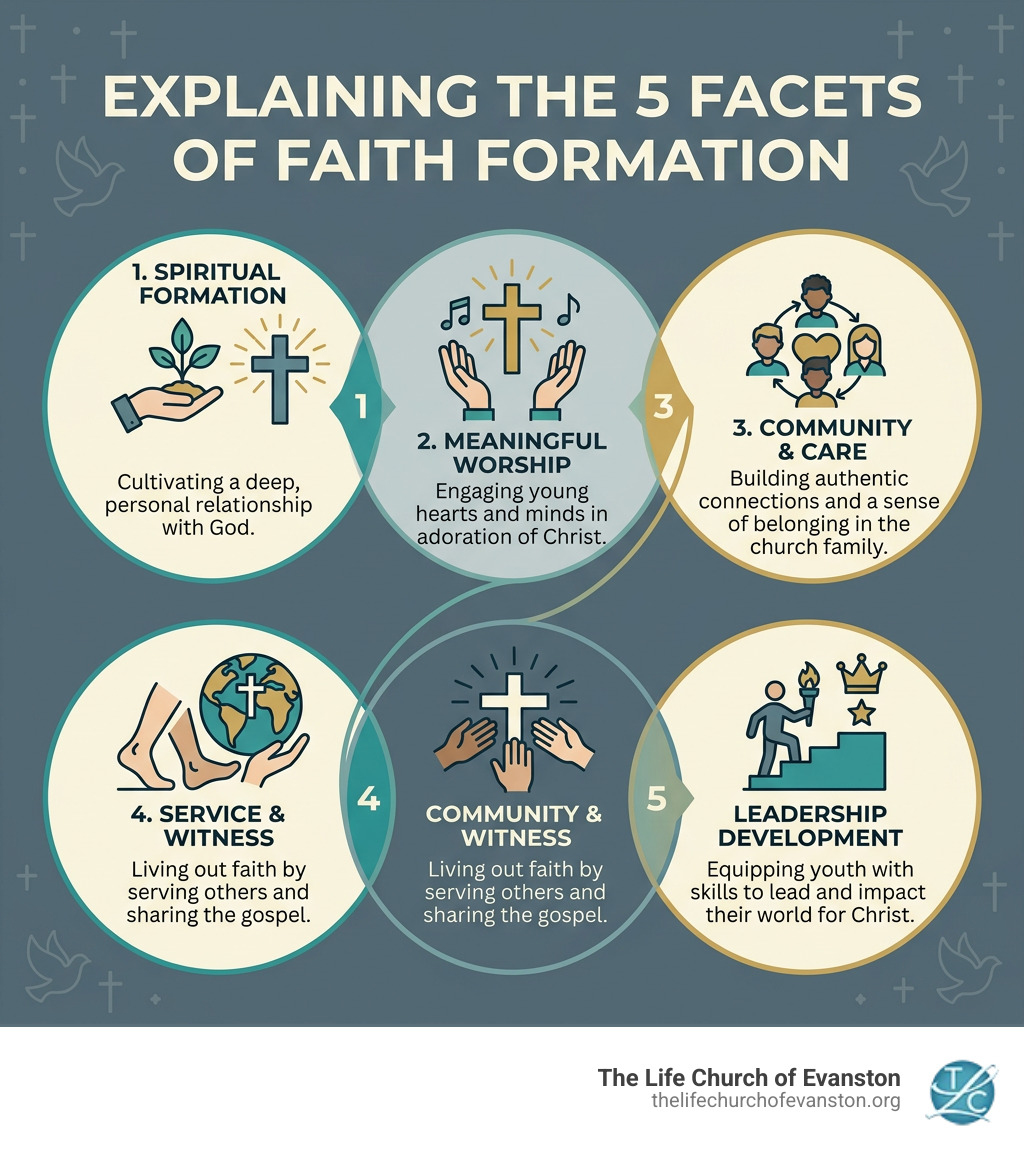
Here’s what effective church programs for youth often include:
- Spiritual Formation: Helping youth understand and deepen their personal relationship with God.
- Meaningful Worship: Engaging young people in worship that feels relevant to them.
- Community & Care: Building strong friendships and a sense of belonging within the church family.
- Service & Witness: Encouraging youth to live out their faith by serving others and sharing the gospel.
- Leadership Development: Equipping young people with skills to lead and impact their world for Christ.
The future of the church truly hinges on how well we help young people claim a vibrant faith in Jesus Christ. Programs that focus on real relationships and hands-on experiences are key. They help youth not just learn about God, but truly know Him.
I’m Anthony LoCascio. As a pastor and founder of Transformation Bible Institute, I’ve spent years developing impactful church programs for youth that foster spiritual growth and discipleship. My passion is to help young people encounter Jesus Christ and discover their God-given purpose.
Core Pillars of Effective Church Programs for Youth

At the heart of every successful youth ministry is the recognition that teenagers are not just the “future” of the church—they are a vital part of the church today. To build a program that truly resonates, we must move beyond shallow entertainment and focus on pillars that offer deep, spiritual substance. This starts with validating their sacred worth as individuals created in the image of God.
In our experience in the Evanston and North Shore areas, we’ve seen that youth are looking for authenticity. They want to know how the Bible applies to the world they see on the news and the struggles they face at school. By integrating Teen Bible Study Ultimate Guide resources, we can help them navigate complex topics through the lens of Apostolic doctrine and Biblical prophecy.
Research shows that experience-centered learning is far more impactful than rote memorization. When we allow students to ask hard questions and explore the Category Youth Ministry topics that matter to them, faith moves from a Sunday morning routine to a lived reality.
Nurturing Spirituality at Home
While church programs are essential, the primary factor determining a teenager’s religious commitment is parental influence. We believe that youth ministry is a partnership between the church and the home. Our role is to equip parents and caregivers to fulfill their baptismal promises by providing home resources and intergenerational education opportunities.
We encourage families to create “sacred spaces” at home where prayer and Scripture are part of daily life. By fostering a missional culture where parents model discipleship, we ensure that the seeds planted during youth group are watered throughout the week. It’s about creating a sustainable faith that lasts long after high school graduation.
Making Christian Education Real
Christian education shouldn’t feel like a second version of school. It needs to be “real.” This means using a relevant curriculum that addresses current events, dating, school stress, and even sexuality through a Biblical framework. At The Life Church of Evanston, our Kidz4Life program lays the foundation, but as students grow, we transition them into deeper Apostolic doctrines that challenge them to think for themselves.
We use discussion-based learning to tackle real-world questions. Instead of just telling teens what to think, we teach them how to think biblically. This approach builds a resilient faith that isn’t easily shaken by the secular world.
Engaging Activities and Up-Front Games
Let’s be honest: youth group should be fun! Joy is a fruit of the Spirit, and laughter is one of the best ways to break down walls and build a sense of belonging. Church programs for youth use games not just as “time-fillers,” but as strategic tools for relationship building.
When we play together, we create shared memories that form the basis of trust. This trust is the “bridge” over which the Gospel can travel. We also recognize the importance of meeting teens where they are, which often includes social media integration and engaging youth online through platforms they already use.
Fun and Fellowship in Church Programs for Youth
One of the best ways to engage a room is through up-front youth group games. These are activities where a few students are brought to the front to participate while the rest of the group watches and cheers. These games are fantastic because they:
- Spotlight different personalities: You can choose the “class clown” to bring the laughs or a quieter student to give them a moment to shine.
- Build excitement: High-energy games like “Soda Sock” (where contestants try to identify a soda through a clean sock) or “What’s Under the Box?” create a sense of anticipation.
- Foster community: When students see their leaders and peers being silly, it humanizes everyone and breaks down “cliquishness.”
| Icebreakers | Up-Front Games |
|---|---|
| Designed for everyone to talk | Designed for the group to watch |
| Low pressure, high participation | High energy, specific participants |
| Great for new students | Great for building group energy |
| Example: Two Truths and a Lie | Example: Charades with a Twist |
Meaningful Worship Experiences
Worship is more than just singing songs; it’s an encounter with the Living God. To make worship meaningful for young people, we involve them in the process. This might mean having a youth-led worship band, inviting students to share a testimony, or forming prayer huddles where they pray for one another.
We strive to create cultural connections, using music and media that resonate with their generation while staying true to our Apostolic roots. When youth see their peers using their spiritual gifts to glorify Jesus Christ, it inspires them to do the same.
Impactful Service Projects and Mission Trips
Faith without works is dead, and teenagers have a deep-seated desire to make a difference. Church programs for youth that prioritize service help students move from being consumers of the Gospel to being contributors to the Kingdom. Community outreach is a powerful way to live out the love of Christ.
Whether it’s a neighborhood work party or a simple afternoon spent improving the environment, service projects teach stewardship and accountability. They also provide a natural way to share the love of Jesus with our neighbors in Evanston and the North Shore.
Living the Gospel through Church Programs for Youth
Service doesn’t have to be complicated to be impactful. Some of the most transformative experiences come from simple acts of kindness. Here are a few ways our youth groups can serve:
- Environmental Stewardship: Youth can collect trash at local parks or start a compost initiative to learn about caring for God’s creation.
- Caring for the Vulnerable: Nursing home visits are incredibly powerful. We equip our students with conversation starters so they can provide the gift of presence to seniors.
- Supporting Neighbors: From urban gardens to fashion upcycling (turning old clothes into something new for those in need), these projects show the community that the church cares.
- Hospitality: We teach our youth the love of Christ for the foreigner by participating in refugee support or cultural exchange dinners.
Global Missions and Summer Service-Learning
For older teens, summer service-learning trips and short-term missions provide a broader perspective on what God is doing in the world. These trips often include focused discipleship training and missionary training events.
By stepping outside their comfort zones, students develop global awareness and a heart for the unreached. Whether they are serving in a different part of the country or participating in a cross-cultural exchange, these “mountain-top” experiences often serve as a catalyst for a lifelong commitment to Jesus Christ.
Leadership Development and Spiritual Growth
We believe in “teens leading teens.” One of the most effective ways to build competence in young disciples is to give them real responsibility. When youth are given a seat at the table, they move from being “the future” to being active leaders in the present.
Our Generate Student Ministries focuses on cultivating these skills. We don’t just want to give them answers; we want to give them the tools to find answers in the Word of God.
Cultivating Competence in Young Disciples
Leadership development happens when we allow youth to lead services, participate in strategic planning, and engage in apologetics training. By teaching them to defend their faith, we prepare them for the challenges of college and beyond.
We encourage independent thinking by posing questions rather than just providing lectures. This creates a “safe space” for doubts and questions, which are a natural part of spiritual growth. When youth feel heard, they are more likely to stay connected to the church community.
Essential Qualities for Adult Leaders
The success of church programs for youth often rests on the quality of the adult volunteers. We look for mature leaders who have a deep relationship with Jesus and a genuine love for teenagers. Essential training includes:
- Listening Skills: Teens need adults who will listen without judgment.
- Discipleship Modeling: Leaders must live out the faith they are teaching.
- Safety Protocols: We perform thorough background checks to ensure a safe environment for every student.
- Mentorship: Effective leaders focus on building long-term relationships rather than just running programs.
Frequently Asked Questions about Church Youth Ministry
What is the most important factor in a teen’s faith?
While many factors contribute, the most significant influence on a teenager’s faith is the religious commitment and practice of their parents. When faith is lived out authentically at home, it provides a foundation that church programs can build upon.
How can churches make worship more engaging for youth?
Engagement increases when youth are participants rather than spectators. Involving them in worship leadership, using relevant music, and creating space for experiential prayer (like prayer stations or huddles) makes worship feel personal and powerful.
What are the best service projects for small youth groups?
Small groups can excel at “Random Acts of Kindness,” local park cleanups, or wellness walks or nature hikes with community members. These require little overhead but provide great opportunities for connection and service.
Conclusion
At The Life Church of Evanston, we are committed to providing a welcoming, multicultural environment where young people can experience the transformational power of the Spirit of God. Our church programs for youth are designed to make disciples who are equipped to change their world for Jesus Christ.
If you are looking for a place where your teenager can grow in faith, build lasting friendships, and discover their purpose, we invite you to Find your place in Generate Student Ministries. Together, we can help the next generation glorify Jesus Christ and find true life transformation.